
From Big Screen to Every Screen: The Power of Video in Modern Advertising
TV commercial production is the strategic process of creating compelling video advertisements from initial concept through final broadcast and distribution. It involves five core phases: concept development, pre-production planning, production (filming), post-production (editing), and media distribution—typically spanning 6-12 weeks and costing between $25,000 to $500,000+ depending on complexity.
The essential stages of TV commercial production:
- Concept Development – Creative brief, scriptwriting, and storyboarding
- Pre-Production – Casting, location scouting, crew assembly, and scheduling
- Production – Filming with professional equipment and crew
- Post-Production – Editing, color grading, sound design, and VFX
- Distribution – Compliance checks, media buying, and broadcast delivery
Video has become the dominant force in marketing communication. 72% of customers would rather learn about a product or service through video, and 81% of businesses now use video in their marketing plans. These aren’t just interesting statistics—they represent a fundamental shift in how brands connect with their audiences.
The landscape has evolved dramatically. TV commercials are no longer confined to traditional broadcast slots during prime time. Today’s commercials live across streaming platforms, social media feeds, mobile devices, and connected TVs. A single commercial might exist as a 60-second broadcast spot, a 15-second Instagram story, and a 6-second pre-roll ad—all serving the same strategic goal but optimized for different viewing contexts.
For business leaders seeking measurable growth, understanding this process isn’t just helpful—it’s essential. A well-executed commercial can double sales (as Old Spice demonstrated with their viral campaign), build brand recognition, and deliver long-term ROI that far exceeds the initial investment.

Phase 1: Laying the Foundation with Strategy and Creativity
Every successful TV commercial production begins with a spark—an idea. But ideas, no matter how brilliant, need a solid foundation to truly shine. That’s where strategy and creativity intertwine, ensuring our commercial not only looks great but also achieves its marketing objectives.
At Rhythm Collective, we believe the genesis of a successful commercial lies in a strong concept. This initial stage involves a deep dive into understanding our client’s product or service, target audience, and marketing goals. This crucial information is then distilled into what we call the creative brief.
The creative brief isn’t just a document; it’s our blueprint and guiding star for the entire project. It outlines key elements such as the core message we want to convey, the ideal viewer we’re trying to reach, the desired tone of the commercial, our budget parameters, and the overall timeline. Without a solid creative brief, a project can easily veer off course, wasting valuable time and resources.
Once the creative brief is finalized, we move to scriptwriting. Commercial scripts are a unique art form. Unlike feature film scripts, they are concise and focused, typically 30 seconds long, though they can range from 10 seconds to 3 minutes. In this short timeframe, every word counts. Our goal is to clearly communicate the brand’s message, highlight its unique benefits, and, most importantly, include a strong, clear call to action (CTA). This CTA tells viewers exactly what we want them to do next, whether it’s visiting a website, calling a number, or making a purchase.
Crafting a compelling narrative within such a short window requires mastery of storytelling. It’s about engaging viewers emotionally and making them remember your brand long after the commercial ends. We explore this further in our guide on The Power of Storytelling Through Videography.
The Art of the Storyboard

Once the script is polished and approved, the next step in visualizing our commercial is creating a storyboard. Think of a storyboard as a comic strip version of the commercial, depicting each scene and shot in sequence. This visual representation is invaluable for several reasons.
First, it helps everyone involved—from the director to the crew to the client—understand the visual flow and progression of the commercial. It ensures we’re all on the same page regarding camera angles, character movements, set design, and overall aesthetics. The storyboard acts as the director’s blueprint, guiding the filming process and ensuring that every shot captured aligns with the creative vision.
Moreover, a detailed storyboard can help us identify potential production challenges early on. For example, if a scene requires a complex camera movement or a specific visual effect, seeing it sketched out can prompt discussions about feasibility and alternative approaches before we ever step onto a set. This proactive problem-solving saves time and money during the actual shoot, allowing us to focus on bringing the vision to life smoothly.
Phase 2: The Blueprint for a Successful TV Commercial Production
With our concept and script locked down, and the storyboard providing a visual roadmap, we enter the pre-production phase. This is the organizational backbone of any TV commercial production, where meticulous planning transforms our creative ideas into a tangible plan for execution. A well-executed pre-production phase can save countless headaches, time, and money during the actual shoot.
Scheduling and timelines are critical here. While simpler spots can sometimes be completed in as little as six weeks, a full commercial production timeline typically spans 6-12 weeks from concept to final delivery. More intricate projects, involving multiple locations, advanced visual effects, or large casts, can naturally take longer. This phase ensures we build a realistic schedule, accounting for every step.
A major component of pre-production is casting talent. The right actors can lift a commercial from good to great, creating memorable characters that resonate with the audience. We carefully select talent to match character descriptions and ensure they possess the charisma and presence needed to convey our message effectively.
Location scouting is another essential task. The setting of a commercial is more than just a backdrop; it’s a character in itself. We evaluate potential locations for their aesthetic fit, accessibility, cost, ambient noise levels, and lighting conditions. Once a location is chosen, securing the necessary permits is paramount to ensure a smooth and legal shoot.
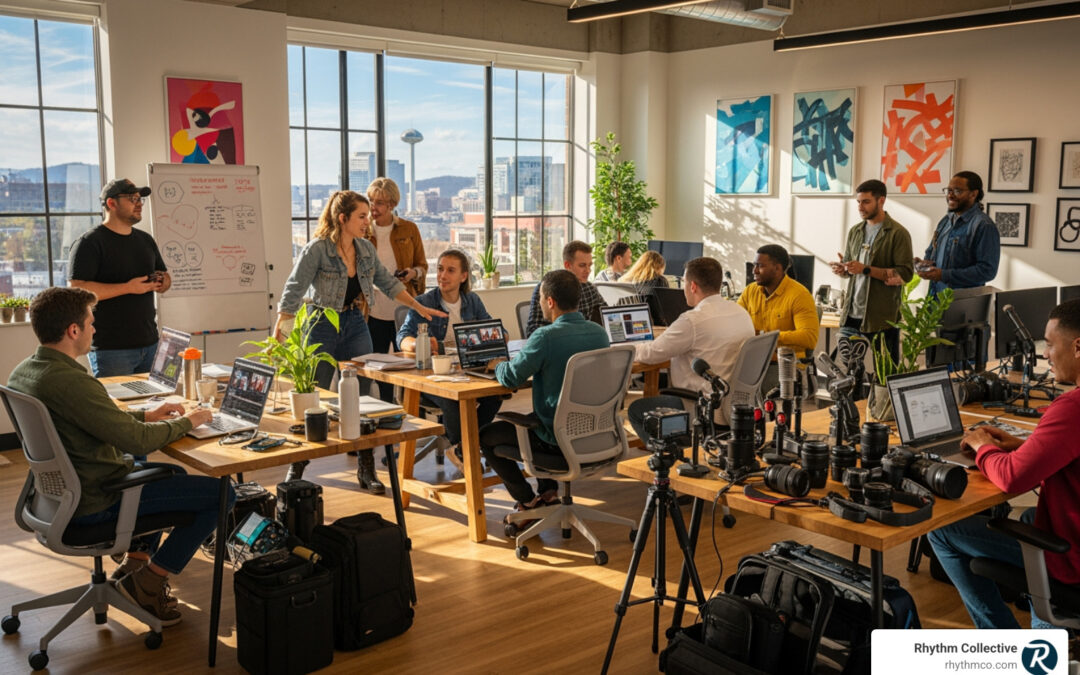
Finally, we assemble our skilled and experienced crew. This includes everyone from the director of photography to gaffers, grips, sound recordists, and production designers. Each role is vital, and a cohesive team is key to a successful shoot. We also plan for all necessary equipment rental, ensuring we have the right cameras, lighting, sound gear, and specialized tools to capture our vision perfectly.
Understanding the Costs of TV Commercial Production

One of the most common questions we hear is, “How much does a TV commercial production cost?” The honest answer is: it varies widely! Think of it like building a house – a small cottage costs less than a sprawling mansion, even though both are homes. Commercial production costs typically range from $25,000 to $500,000+, depending heavily on several key factors:
- Talent Fees: Are we working with unknown actors, or do we need recognizable faces? Usage rights and talent fees can significantly impact the budget.
- Location Requirements: Shooting in a simple studio is generally less expensive than securing permits for multiple exotic locations.
- Crew Size and Expertise: A larger, more specialized crew with extensive experience will naturally incur higher costs.
- Equipment Needs: Do we need basic cameras and lighting, or specialized gear like high-end 8K cameras, cranes, drones, or complex motion control rigs?
- Special Effects (SFX) & Visual Effects (VFX): Simple graphics are far less costly than intricate CGI or practical special effects.
- Post-Production Complexity: Extensive editing, complex color grading, detailed sound design, and elaborate visual effects all add to the post-production budget.
- Shoot Length: More shooting days mean more crew, equipment, and location costs.
For most professional TV commercial production projects, you can expect a budget ranging from $25,000 for simpler concepts with minimal locations and talent, up to $500,000 or even more for high-end, complex productions. It’s crucial to have a transparent budgeting process that outlines all these elements, ensuring no surprises down the line. Our approach at Rhythm Collective is to align the budget with your marketing goals, ensuring every dollar spent contributes to profitable revenue and long-term growth.
Phase 3: Bringing Your Vision to Life During Production
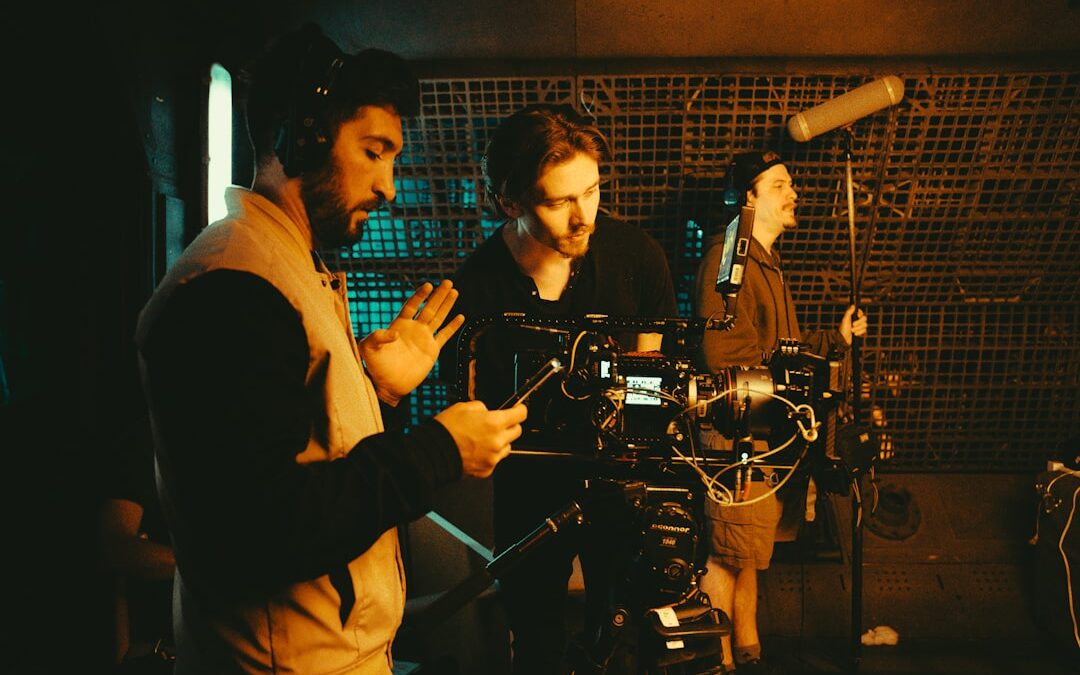
The air on set is electric. After weeks of meticulous planning, the production phase is where the script and storyboards are transformed into actual footage. This is arguably the most exciting part of TV commercial production—the day (or days) of the shoot!
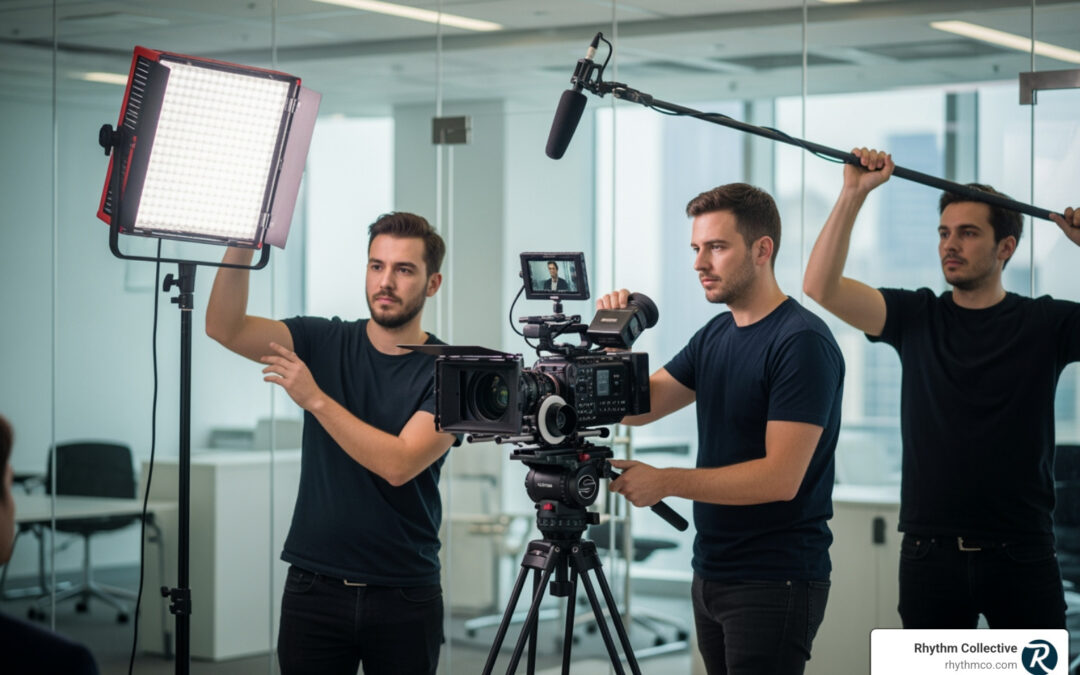
On the shoot day, the director is the central figure, guiding the entire process. They work closely with the Director of Photography (DP), who is responsible for the visual style and quality of the footage. Together, they ensure every shot captures the essence of the storyboard and script, paying close attention to framing, lighting, and performance. Our goal is to capture sufficient coverage from various angles, providing ample options for the editing team later. We often shoot multiple takes to ensure we get that perfect moment.
However, even with the best planning, challenges can arise on set. Weather delays, equipment malfunctions, or unexpected issues at a location are all part of the game. Our experience in TV commercial production has taught us the importance of contingency planning. Being prepared to adapt and find creative solutions on the fly is essential to keeping the production on track and within budget. A professional and efficient atmosphere on set is something we prioritize, ensuring both our team and yours feel comfortable and confident in the process.
Key Roles on a Commercial Set
Producing a TV commercial is truly a team sport, requiring a diverse group of specialists, each with unique skills working towards a common goal. Here’s a glimpse into some of the essential crew roles you’ll find on a commercial set:
- Director: The creative visionary who interprets the script and storyboard, guiding the actors and crew to bring the commercial to life.
- Director of Photography (DP) / Cinematographer: Responsible for the overall visual aesthetic, including camera operation, lighting, and framing.
- Producer: Oversees the entire production from concept to delivery, managing schedules, budgets, and logistics.
- Gaffer: The chief lighting technician, responsible for executing the lighting plan devised by the DP.
- Grip: Works with the gaffer and DP to set up and modify lighting and camera support equipment.
- Sound Recordist / Mixer: Responsible for capturing clean, high-quality audio on set, using various microphones and recording equipment.
- Production Designer / Art Director: Creates and manages the visual look of the set, including props, costumes, and overall aesthetic.
- Production Assistants (PAs): The unsung heroes who handle a myriad of tasks, ensuring the set runs smoothly, from fetching coffee to assisting with equipment.
- Makeup Artist & Hair Stylist: Ensures talent looks their best on camera, maintaining continuity between shots.
- Wardrobe Stylist: Selects and prepares clothing for the talent, aligning with the commercial’s aesthetic and brand image.
This collaborative team ensures that every technical and creative aspect of the shoot is handled with precision, allowing us to capture the high-quality footage necessary for a truly impactful commercial.
Phase 4: Polishing the Diamond in Post-Production and Distribution
Once the cameras stop rolling, the magic truly begins in post-production. This is where the raw footage we’ve carefully captured is transformed into the final, polished commercial. It’s often the longest phase in TV commercial production, typically taking 2-4 weeks depending on the complexity.
The first step is the video editing process, where our editors assemble the footage, add transitions, and create the overall flow and narrative rhythm of the commercial. This involves crafting a rough cut, then refining it through fine cut and final cut stages, ensuring every moment serves the story and message.
Next comes color correction and grading. This process improves the visual appeal of the footage, ensuring consistent colors, correcting any discrepancies, and applying a specific aesthetic to create a particular mood or brand feel. Think of it as painting with light and color to make every frame a masterpiece.
Sound design and mixing are equally crucial. Sound is often overlooked, but it plays a powerful role in creating an emotional connection with the audience. We add sound effects, music, and dialogue, then carefully mix all audio elements to ensure clarity, balance, and impact.
Finally, visual effects (VFX) are integrated if required, adding graphics, animations, or special digital improvements to bring impossible scenarios to life or highlight key product features. Throughout these stages, client review cycles are built in, allowing for feedback and revisions until the commercial is perfect and receives final approvals.
From Final Cut to Broadcast: Compliance and Media Buying
With the commercial polished to perfection, the next critical steps involve ensuring it’s ready for public viewing and strategically placed to reach the right audience.
Legal and compliance checks are paramount in TV commercial production. Advertising is a regulated industry, and commercials must adhere to specific standards to avoid being misleading, harmful, or offensive. For instance, in the United States, regulatory bodies like the Federal Trade Commission (FTC) require substantiation for any claims made in a commercial. If a commercial claims a product is “the fastest-selling in East Tennessee,” we’d need verifiable data to back that up. This meticulous review ensures our commercials are not only compelling but also ethical and legally sound.
Once approved, we move into media planning and media buying. Media planning involves determining the best channels and time slots to air the commercial for maximum reach and frequency among your target audience. We analyze demographics, viewing habits, and market trends to develop a strategic placement plan. Media buying then involves negotiating airtime with networks or stations, securing those coveted spots where your commercial will shine. For a comprehensive approach to reaching your audience, explore our TV Advertising services. This strategic placement is what translates a great commercial into tangible business results.
Key Considerations for a High-Impact Commercial
Creating a truly effective TV commercial production goes beyond just following the steps; it involves making strategic choices that maximize impact and ROI.
One of the most vital elements is production value. A well-produced commercial reflects positively on your brand, conveying professionalism, quality, and trustworthiness. Cutting corners in production can, unfortunately, undermine your brand’s credibility. Investing in high production value, whether through expert cinematography, polished editing, or compelling sound design, signals to your audience that your brand values excellence.
Equally important is choosing the right production company. When looking for a partner, consider these qualities:
- Portfolio Review: Does their past work align with your vision and quality expectations?
- Communication: Are they clear, responsive, and collaborative throughout the process?
- Transparent Budgeting: Do they provide a detailed breakdown of costs, avoiding hidden fees?
- Experience: Do they have a proven track record in TV commercial production and a stable, experienced team?
- Multi-platform Expertise: Can they deliver content optimized for various channels, not just traditional TV?
At Rhythm Collective, we pride ourselves on being a collaborative extension of your team, dedicated to creating high-impact content that delivers profitable revenue and long-term growth. Find how our Advertising & Marketing Solutions can transform your brand’s presence.
Live-Action vs. Animation: What’s Right for You?
When envisioning your TV commercial production, a fundamental decision is whether to go with live-action or animation. Both offer unique advantages and are suited for different creative and strategic goals.
| Feature | Live-Action Production | Animation Production |
|---|---|---|
| Process Differences | Involves real actors, sets, and locations; filming. | Digital creation; requires animators, illustrators, software. |
| Cost Implications | Can be high due to talent, locations, crew, equipment. | Can be lower for simple styles, higher for complex CGI. |
| Creative Possibilities | Realism, emotional connection through human faces, tangible products. | Abstract concepts, fantastical worlds, simplified explanations. |
| Target Audience Appeal | Broad appeal, relatable, often used for lifestyle branding. | Often appeals to younger demographics, tech-savvy, or for educational content. |
Live-action excels at showcasing real products, demonstrating services, and fostering an immediate human connection through relatable scenarios and authentic emotions. If you need to feature specific people, places, or physical products, live-action is often the way to go.
Animation, on the other hand, offers unparalleled creative freedom. It can bring abstract concepts to life, simplify complex information, or create entirely fantastical worlds. Animation can also be a more flexible option for revisions in post-production and can sometimes be more cost-effective if talent and elaborate sets are not required. We dig into various approaches in our Top 5 Videography Types Every Business Should Include in Their Marketing Strategy. The choice ultimately depends on your message, brand identity, and target audience.
The Modern Landscape of TV Commercial Production
The world of TV commercial production has dramatically expanded beyond the traditional living room television. While broadcast TV remains a powerful platform, the rise of digital distribution has reshaped how we create and consume commercial content.
Today, commercials need to be versatile. They are not only aired on linear TV but also across a multitude of streaming and OTT (Over-The-Top) platforms like Netflix, Hulu, and YouTube TV. This means commercials must be optimized for various screen sizes and viewing environments.
A key strategy in this modern landscape is repurposing content for social media. A 30-second TV spot can be cleverly recut into shorter formats—like 6-second or 15-second versions—perfect for Instagram stories, TikTok ads, or pre-roll ads on YouTube. These shorter formats are increasingly popular for their ability to capture attention quickly in digital feeds. This multi-platform approach maximizes the return on your production investment, extending the reach and lifespan of your commercial.
Furthermore, measuring ROI in modern TV commercial production goes beyond just sales figures. We can now track engagement rates, click-throughs, website visits, and brand sentiment across digital platforms, providing a more comprehensive understanding of a commercial’s effectiveness. This data-driven approach allows us to continually refine strategies and ensure our commercials are not just seen, but actively engaging and converting.
Frequently Asked Questions about TV Commercial Production
How much does a TV commercial cost to produce?
The cost of a TV commercial production can vary significantly based on its complexity, ranging from approximately $25,000 for a simpler, localized commercial to over $500,000 for high-end national campaigns involving celebrity talent, multiple locations, and extensive special effects. Key factors influencing the cost include:
- Creative Complexity: Simple concepts are less expensive than elaborate narratives or complex visual effects.
- Talent: The number of actors, their experience, and usage rights all contribute to the cost.
- Locations: Studio shoots are generally more controlled and predictable than multiple on-location shoots requiring permits and travel.
- Crew Size & Equipment: Larger crews and specialized equipment (e.g., drones, motion control) increase costs.
- Post-Production: Extensive editing, color grading, sound design, and VFX work will add to the budget.
It’s crucial to get a detailed quote from your production company that outlines all these elements, ensuring transparency and alignment with your budget.
How long does it take to produce a TV commercial?
The typical timeline for a TV commercial production from initial concept to final broadcast delivery is generally 6-12 weeks. This can be broken down roughly into:
- Concept Development & Scripting: 1-2 weeks
- Pre-Production (Casting, Location, Planning): 1-3 weeks
- Production (Filming): 1-5 days (depending on scope)
- Post-Production (Editing, VFX, Sound): 2-4 weeks
- Approvals & Delivery: 1 week
More intricate projects, those with multiple locations, advanced visual effects, or large casts, may extend beyond this average timeline. Simpler spots, with minimal elements, can sometimes be completed in as little as six weeks. Efficiency in each phase is key to managing the schedule effectively.
What makes a TV commercial successful?
A successful TV commercial is more than just a well-made video; it’s a strategic tool that achieves its marketing objectives. Several elements contribute to its success:
- Compelling Narrative & Storytelling: Even in a short timeframe, a commercial needs to tell a story or convey an emotion that resonates with the audience. The Old Spice campaign, for example, used humor and a unique narrative to double sales.
- High Production Value: A polished, professional look and sound signal quality and trustworthiness, reflecting positively on your brand.
- Clear Call to Action (CTA): Viewers should know exactly what you want them to do next, whether it’s visiting a website, making a purchase, or learning more.
- Strategic Media Placement: Airing the commercial in the right channels and at the right times ensures it reaches the intended target audience, maximizing its impact.
- Understanding the Target Audience: Tailoring the message, tone, and visuals to appeal directly to your ideal customer is paramount.
When these elements align, a commercial has the power to build brand awareness, drive engagement, and ultimately generate profitable growth.
Conclusion: Make Your Brand Shine with Impactful Videography
From the initial spark of an idea in concept development to the meticulous planning of pre-production, the dynamic energy of the shoot, and the transformative artistry of post-production, TV commercial production is a complex yet incredibly rewarding journey. It’s a blend of strategic thinking, creative execution, and technical expertise, all working in harmony to craft a message that resonates and converts.
At Rhythm Collective, we understand that for businesses in Knoxville, TN, and throughout East Tennessee, the goal isn’t just to make a pretty picture; it’s about delivering profitable revenue and long-term growth. We bring our expertise in creating high-impact video content to every project, ensuring your commercial isn’t just seen, but felt, remembered, and acted upon.
Ready to tell your brand’s story in a way that captivates and converts? Start your video production project with us today, and let’s make your mark.